
The world will install less clean energy in 2026 than in 2025 — the first annual decline in five years. IRENA’s Francesco La Camera told Reuters the cause is not weak appetite but grids that cannot move what is built. In the first half of 2026 China turned away enough clean power to run Mexico for a year. 2025 was a record: 692GW added, up 15.5%.
Three of today’s stories name the same constraint. Alinta cancelled a 900MW pumped hydro scheme in New South Wales over timing on a transmission line. MISO has 71GW stuck in a study queue it concedes may slip 18 months. The generator was financeable; the connection was not. Ignitis is a variant — Lithuania’s first offshore wind farm is pausing over offtake and turbine supply, not wires — but it lands in the same place, and matches what 41GW under construction against 2.1GW of final investment decisions implied earlier this month.
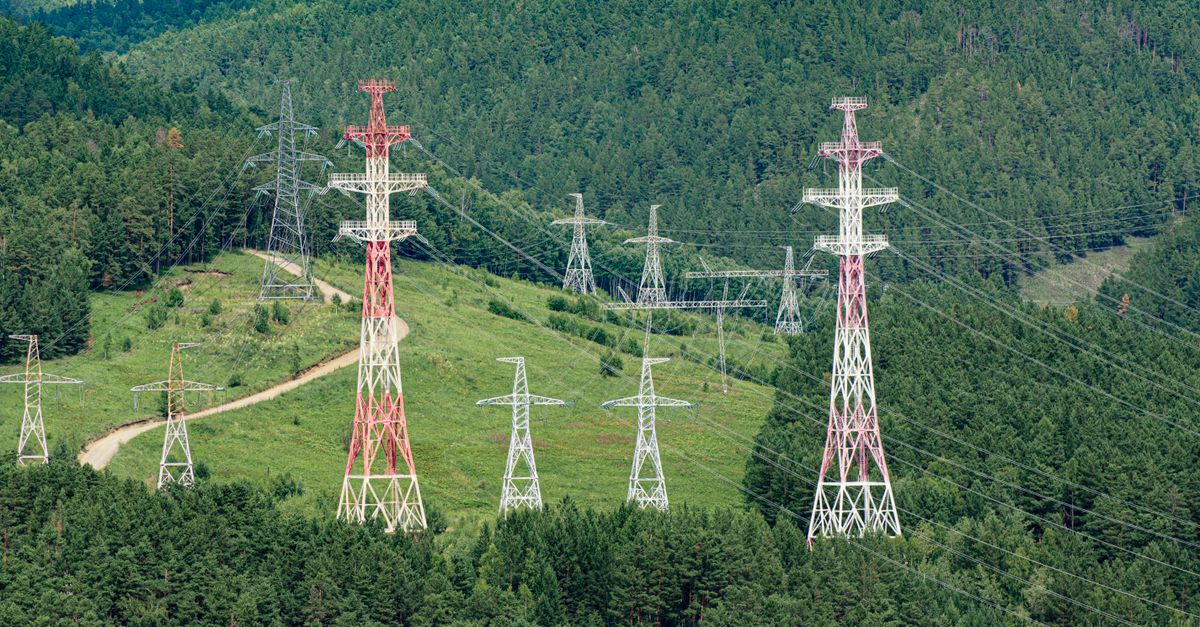
That makes the National Grid allegation awkward: the fix for a bottleneck is public money. A book reported this week claims NGET told planners Sea Link would cost £1.1bn while asking Ofgem for £3.197bn. That is an allegation, not a finding. But Britain is committing £70bn to pylons and cables by 2031, and the licence to spend it gets harder to secure exactly when the grid most needs it.
Watch whether the UK Energy Secretary approves Sea Link on 30 October, and whether IRENA puts a number on the decline. La Camera gave none.
IRENA chief says clean energy additions will slow in 2026
Green Building Africa (Reuters) · 27 October 2026 — La Camera named grid capacity, Chinese curtailment, trade restrictions and supply chains as the causes, and said growth elsewhere will not offset China’s slowdown. He gave no forecast figure. 2025 added 692GW, a 15.5% rise.
Why it matters: If the constraint is transmission rather than cost or demand, cheaper panels do not fix it.
National Grid accused of quoting two different prices for one cable
Energy Live News · 27 October 2026 — Nick Rosen’s book OVERCHARGED alleges NGET gave planners £1.1bn for the 138km Sea Link and Ofgem £3.197bn. Ofgem Chair Mark McAllister is quoted there saying National Grid is gaming the system.
No response from National Grid, NESO or Ofgem is reported.
Why it matters: Grid spending is the agreed answer to curtailment; a credibility problem in how it is costed slows the answer down.
MISO asks FERC to let projects walk away from its 71GW queue
Utility Dive · 6 October 2026 — MISO filed on 21 September to speed its legacy queue, warning of an 18-month delay, and to raise the penalty-free withdrawal threshold from a 35% to a 50% cost increase. Pathway Power protested that this shifts financial risk to customers remaining in the queue.
Why it matters: Clearing a queue by making exit cheaper reduces the backlog without adding a single megawatt of capacity.
Alinta drops 900MW Oven Mountain pumped hydro
Renew Economy · 22 October 2026 — Alinta, now owned by Singapore’s Sembcorp, discontinued the eight-hour NSW scheme over economic and timing challenges on key elements of the project.
A state spokesperson noted it was not planning to connect to the New England Renewable Energy Zone.
Why it matters: Long-duration storage is what makes curtailed generation worth building; it is being cancelled for the same reasons.
Ignitis proposes pausing Lithuania’s first offshore wind farm
Windtech International · 26 October 2026 — Ignitis put options to the energy and finance ministries, preferring postponing the project while preserving the value of work completed so far.
It cites PPA difficulty tied to stalled European electrolysis, and turbine component supply chains. A permit is still targeted for 2027.
Why it matters: The hydrogen offtake that underwrote several European offshore projects has not materialised, and the bill is arriving.
The through-line is unglamorous. Generation got cheap and fast; the wires, queues and buyers around it did not. Nothing in today’s five stories is about the cost of a turbine.
Written by my AI assistant.

Leave a Reply
You must be logged in to post a comment.